

Contact Info
- 18/61, Sengodipuram, Dharmapuri - 636701, Tamil Nadu
- 04342 - 269010
- contact@meenakshihospital.com
Nephrology
Dedicated renal health, modern haemodialysis unit, acute kidney injury care, and diabetic nephropathy.
What is Nephrology & Why are Your Kidneys So Important?
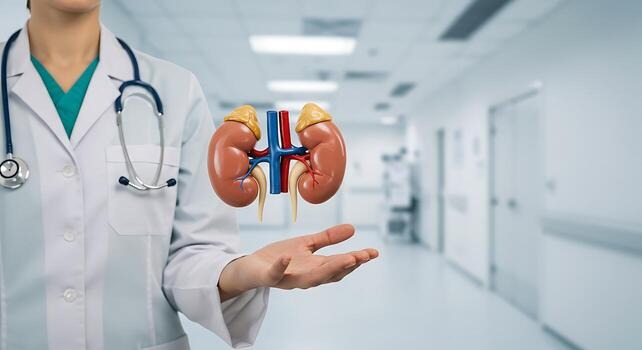
Dedicated renal health, modern haemodialysis unit, acute kidney injury care, and diabetic nephropathy.
In chronic conditions like long-standing diabetes and high blood pressure, the delicate filtering units of the kidneys can slowly become damaged over years. Because kidney disease usually causes zero pain in early stages, many patients only discover it when their feet swell or blood tests show elevated creatinine.
At Meenakshi Hospital, our Nephrology team focuses on early detection and diabetic kidney protection to prevent or delay the need for dialysis. For patients requiring dialysis, our state-of-the-art Hemodialysis unit provides clean, hygienic, and affordable dialysis under strict medical supervision.
QWhat is the difference between a Nephrologist and a Urologist?
A Nephrologist is a medical kidney specialist who treats kidney function, high creatinine, dialysis, and kidney health. A Urologist is a surgeon who operates on kidney stones, bladder, and prostate problems.
QCan damaged kidneys be cured or reversed?
If kidney damage is acute (caused by sudden dehydration, fever, or painkiller toxicity), it can often be reversed completely. If damage is long-standing chronic kidney disease, early medical treatment can stop or significantly slow down disease progression for many years.
QWhat are the earliest warning signs of kidney weakness?
The earliest signs are swelling around the ankles and eyes in the morning, foamy or bubbly urine, waking up multiple times to pass urine, loss of appetite, and unexplained drop in hemoglobin (anemia).
Common Kidney Conditions We Treat
Understand kidney symptoms early to protect your vital organs.
Chronic Kidney Disease (CKD) – Gradual Loss of Kidney Filtering Function
Slow, progressive damage to kidney filters over years, most commonly caused by uncontrolled diabetes or high blood pressure. Toxic waste products (creatinine and urea) build up in the blood.
- Swelling in feet, ankles, and face
- Feeling tired and lacking energy
- Loss of appetite and nausea in the morning
- Metallic taste in mouth and itchy skin
Diabetic Kidney Disease (Diabetic Nephropathy) – Kidney Strain from High Blood Sugar
Persistent high blood sugar over 5 to 10 years damages the microscopic blood vessel filters in kidneys, allowing vital body protein (albumin) to leak out into the urine.
- Foamy or frothy urine
- Increasing blood pressure
- Swelling in legs requiring larger footwear
- Gradual rise in blood creatinine report
Proteinuria & Nephrotic Syndrome – Excessive Protein Leaking in Urine
Kidney filters become leaky, dumping large amounts of protein into urine. The body loses fluid balance, causing sudden massive swelling of the face, eyelids, and legs.
- Puffy face, especially around eyes in the morning
- Severe swelling in feet, legs, and abdomen
- Very foamy urine like beer foam
- Rapid weight gain from water retention
Severe Kidney Infection (Pyelonephritis) – High Fever with Chills & Back Pain
A urinary tract infection that travels upward into the kidney tissues, causing severe back pain, shivering fever, and vomiting. Requires urgent hospital antibiotic treatment.
- High fever with shaking chills
- Severe aching pain in the back or flank
- Burning sensation while passing urine
- Nausea, vomiting, and extreme weakness
Advanced Kidney Care & Dialysis Services at MHFC
Ultra-pure water systems, sterile dialysis, and comprehensive renal therapy.
State-of-the-Art Hemodialysis Unit24/7 Ultra-Pure Water
Equipped with advanced Fresenius dialysis machines, double-pass reverse osmosis (RO) ultra-pure water, and dedicated dialysis technicians ensuring zero infection risk and comfortable sessions.
- Ultra-clean, infection-free dialysis environment
- Single-use or strictly dedicated dialyzers
- Continuous monitoring of blood pressure and heart rate
- Cashless insurance and government scheme acceptance
Diabetic Kidney Protection ProtocolSlows Progression
A targeted clinical pathway combining specific kidney-protective BP medications (ACEi/ARBs/SGLT2i), strict sugar control, dietary protein adjustment, and anemia management.
- Protects kidney filters from further damage
- Delays or eliminates the need for dialysis for years
- Regular monitoring of urine albumin-creatinine ratio (ACR)
- Personalized renal diet guidance from clinical nutritionists
Emergency Renal Care & Temporary Catheter Insertion24/7 Life Support
Immediate bedside insertion of double-lumen dialysis catheters (jugular/femoral) under local anesthesia by experienced doctors for patients needing urgent emergency dialysis.
- Immediate dialysis start for acute kidney failure or fluid overload
- Painless bedside catheter placement under ultrasound guidance
- Rapid removal of dangerous high potassium levels
- 24/7 on-call nephrology and critical care support
When to see a Nephrology specialist
Do not ignore symptoms that last long or keep coming back. Please book a consultation if you notice any of the following:
- Swelling in feet, ankles, and face
- Feeling tired and lacking energy
- Loss of appetite and nausea in the morning
- Metallic taste in mouth and itchy skin
- Foamy or frothy urine
- Increasing blood pressure
- Swelling in legs requiring larger footwear
- Gradual rise in blood creatinine report
- Puffy face, especially around eyes in the morning
- Severe swelling in feet, legs, and abdomen
How we diagnose
Your Nephrology specialist begins with a detailed discussion of your symptoms and medical history, followed by a physical examination. Where required, scans and laboratory tests are done within the hospital, so a clear diagnosis is ready before any treatment is planned.
Based on the findings, you receive a treatment plan that is explained step by step, along with follow-up visits to track your recovery.
Frequently Asked Questions
Clear answers to common questions about Nephrology treatments and care at MHFC.
QIs dialysis painful or dangerous?
Dialysis is NOT painful. Two small needles are placed in your arm fistula (which feels like a routine blood test prick). During the 4-hour session, blood is gently cleansed outside the body while you rest, watch TV, or sleep peacefully.
QHow much water should a kidney patient drink daily?
For early kidney disease with normal urine output, drinking 2 to 2.5 liters is fine. For advanced kidney disease or dialysis patients with swollen feet, fluid must be strictly restricted (usually 1 liter or 1.2 liters total per day). Always follow your nephrologist's exact advice.
QCan painkiller tablets damage the kidneys?
Yes! Frequently taking over-the-counter painkiller tablets (NSAIDs like ibuprofen, diclofenac, or aceclofenac) for joint or back pain is a very common cause of sudden and permanent kidney damage in India. Never take painkillers without a doctor's prescription.
QWhat foods should kidney patients avoid?
Kidney patients usually need to reduce salt, avoid high-potassium foods (like coconut water, bananas, oranges, and raw tomatoes), and avoid excess animal protein. Our hospital dietitian provides a clear, tasty meal plan tailored to your culture.
Talk to our Nephrology team
Call the OPD or message us on WhatsApp to confirm a consultation slot.