

Contact Info
- 18/61, Sengodipuram, Dharmapuri - 636701, Tamil Nadu
- 04342 - 269010
- contact@meenakshihospital.com
Cardiology
Specialized cardiovascular evaluations, computerized ECG, 2D Echo, and round-the-clock emergency heart care.
What is Cardiology & When Should You Check Your Heart?
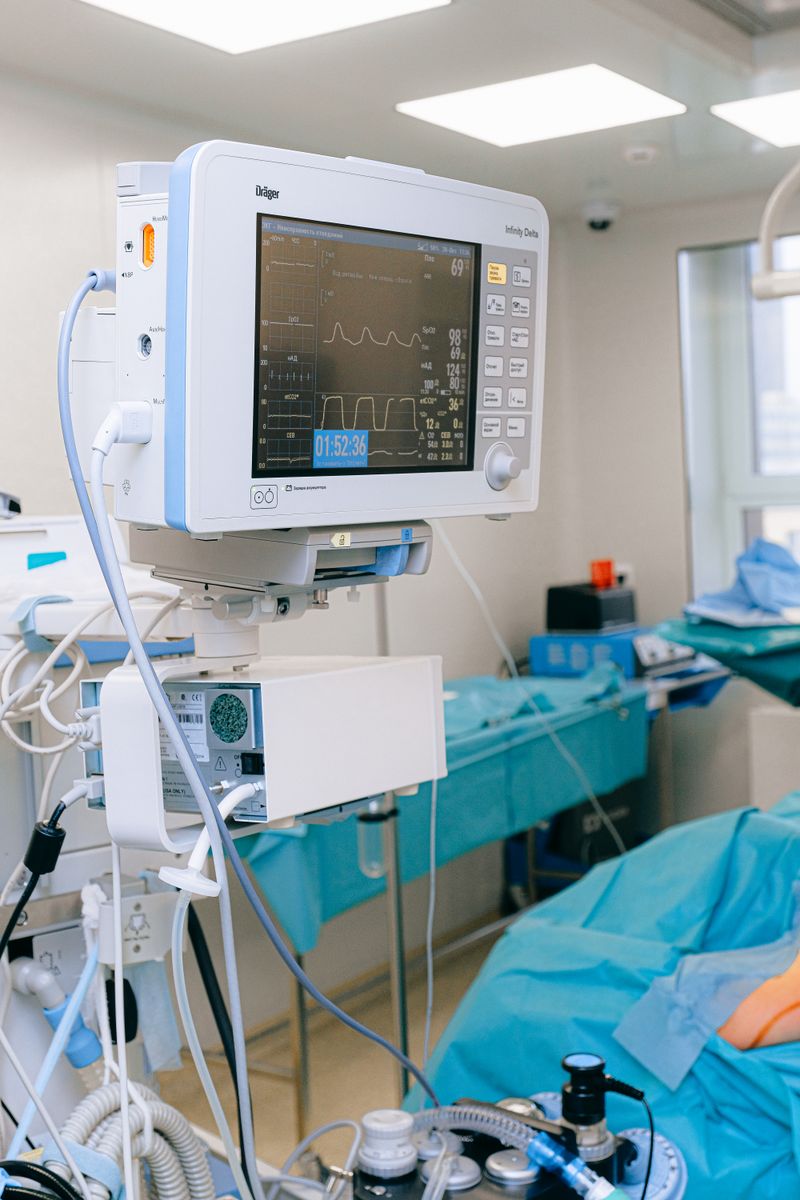
Specialized cardiovascular evaluations, computerized ECG, 2D Echo, and round-the-clock emergency heart care.
Many people mistake early heart warnings—like heaviness in the center of the chest, pain spreading to the left shoulder, or shortness of breath while walking—for simple stomach gas or acidity. Ignoring these warning signs can be life-threatening.
At Meenakshi Hospital, our Cardiology department offers rapid cardiac evaluations including 12-lead digital ECG, high-resolution 2D Echocardiograms, Treadmill Stress Tests (TMT), and round-the-clock emergency ICCU support to protect your heart.
QHow can I tell the difference between chest gas pain and a heart attack?
Gas pain is usually sharp, shifts with posture, and is relieved by burping. Heart-related pain feels like heavy pressure, squeezing, or a tight weight in the center of your chest, often spreading to your left arm, neck, or jaw, accompanied by sudden cold sweating.
QDoes a normal ECG mean my heart is 100% fine?
An ECG shows your heart rhythm at that exact minute. Sometimes, blood vessels are narrowed by 70% or 80%, but the resting ECG looks normal. A 2D Echo or Treadmill Test (TMT) is needed to check heart pumping under walking stress.
QWhat should someone do immediately if they suspect a heart attack?
Do not panic. Keep the person sitting down comfortably. Do not let them walk. Call our 24/7 emergency ambulance immediately or bring them straight to our casualty. Every minute counts.
Common Heart & Vascular Conditions We Treat
Early detection of heart trouble can save your life. Learn the symptoms below.
Chest Pain & Angina (Coronary Artery Disease) – Tightness or Heaviness in the Chest
Narrowing of heart arteries due to cholesterol plaque. When walking briskly, climbing stairs, or under emotional stress, the heart muscle cries for oxygen, causing heavy chest squeezing that eases with rest.
- Chest tightness or heaviness like a stone
- Pain spreading to left arm, shoulder, or jaw
- Shortness of breath on walking
- Cold sweating and dizziness
High Blood Pressure & Hypertensive Heart Disease – Excess Strain on Heart Muscle
Continuous high blood pressure forces the heart to pump against stiff resistance. Over years, heart muscle walls thicken and stiffen, increasing the risk of heart failure and brain stroke.
- Heaviness at back of head
- Breathlessness on mild walking
- Tiredness and poor stamina
- Often zero symptoms (requires routine check)
Heart Failure & Fluid Retention – Weakened Pumping Capacity of the Heart
When the heart muscle becomes weak from past blockages or long-standing BP, it cannot pump blood efficiently. Fluid backs up into the lungs and legs, causing severe breathlessness when lying down.
- Swelling in both feet and ankles
- Waking up at night gasping for breath
- Unable to sleep flat without 2-3 pillows
- Rapid weight gain from fluid build-up
Palpitations & Heart Rhythm Disorders (Arrhythmia) – Irregular, Rapid or Fluttering Heartbeats
Faulty electrical signals causing the heart to beat too fast, too slow, or skip beats erratically. Can cause sudden dizziness, blackouts, or a sensation of birds fluttering in the chest.
- Sudden rapid pounding heartbeat
- Feeling like heart skipped a beat
- Lightheadedness or fainting spells
- Anxiety and shortness of breath
Advanced Heart Diagnostic Services at MHFC
State-of-the-art non-invasive cardiology and 24/7 cardiac emergency care.
High-Resolution 2D Echocardiogram with Color DopplerInstant Heart Ultrasound
A safe, painless ultrasound scan of your heart that shows real-time moving images of heart chambers, valve function, and exact pumping strength (Ejection Fraction / EF %).
- Painless, zero-radiation ultrasound test in 15 mins
- Measures exact heart pumping strength (EF %)
- Detects valve leakages, past silent heart attacks, and clots
- Immediate report reviewed by our cardiologist
Computerized Treadmill Stress Test (TMT)Detects Hidden Blockages
You walk on a motorized treadmill while your heart rhythm and BP are continuously monitored. As speed increases, hidden artery narrowings are revealed before they cause a sudden heart attack.
- Detects early coronary artery blockages
- Evaluates safe exercise limits for heart patients
- Supervised directly by experienced medical team
- Takes just 20 to 30 minutes with immediate results
24/7 Intensive Coronary Care Unit (ICCU)Emergency Life Support
Dedicated cardiac ICU with continuous multi-channel bedside monitors, defibrillators, oxygen support, and clot-busting medications to stabilize acute heart attacks immediately.
- Round-the-clock emergency medical team on floor
- Life-saving emergency thrombolysis within golden hour
- Continuous arrhythmia monitoring and cardiac pacing
- Direct cashless admission for insurance patients
When to see a Cardiology specialist
Do not ignore symptoms that last long or keep coming back. Please book a consultation if you notice any of the following:
- Chest tightness or heaviness like a stone
- Pain spreading to left arm, shoulder, or jaw
- Shortness of breath on walking
- Cold sweating and dizziness
- Heaviness at back of head
- Breathlessness on mild walking
- Tiredness and poor stamina
- Often zero symptoms (requires routine check)
- Swelling in both feet and ankles
- Waking up at night gasping for breath
How we diagnose
Your Cardiology specialist begins with a detailed discussion of your symptoms and medical history, followed by a physical examination. Where required, scans and laboratory tests are done within the hospital, so a clear diagnosis is ready before any treatment is planned.
Based on the findings, you receive a treatment plan that is explained step by step, along with follow-up visits to track your recovery.
Frequently Asked Questions
Clear answers to common questions about Cardiology treatments and care at MHFC.
QCan heart blockages be prevented from getting worse with medicines?
Yes! Modern cholesterol-lowering medicines (statins), blood thinners, and blood pressure tablets can stabilize plaque, prevent new blockages, and significantly reduce the chance of a future heart attack when combined with a low-oil diet and daily 30-minute walks.
QAt what age should I start getting routine heart checkups?
If you have diabetes, high BP, a smoking habit, or a family history of heart disease, you should start annual heart checks from age 30. For others, routine checks should begin by age 40.
QIs walking good for heart patients?
Yes, brisk walking for 30 to 40 minutes, 5 days a week, is one of the best medicines for your heart. It strengthens the heart muscle, lowers bad cholesterol, and improves stamina. Always check with our cardiologist for your specific pace.
QWhat is an Ejection Fraction (EF%) on a 2D Echo report?
Ejection Fraction measures how much blood your left ventricle pumps out with each heartbeat. A normal healthy EF is between 55% and 65%. If EF is below 50%, specific heart strengthening medicines are prescribed.
Talk to our Cardiology team
Call the OPD or message us on WhatsApp to confirm a consultation slot.